
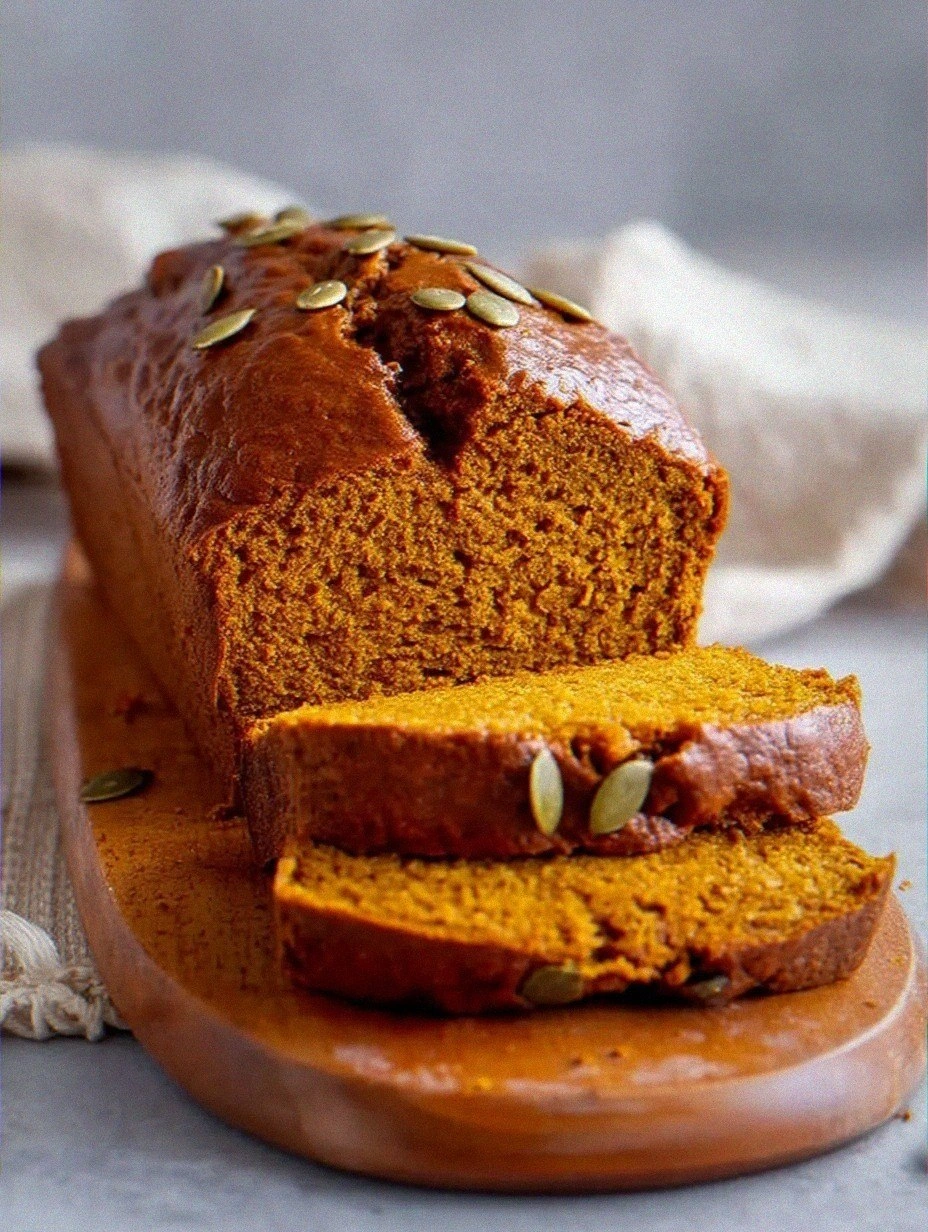
It was a crisp Saturday morning in late October, the kind of day when the world feels wrapped in a soft, amber blanket and the scent of fallen leaves drifts through an open window. I was standing in my kitchen, a half‑filled mug of chai steaming in my hand, when I heard the faint hiss of the oven warming up. The moment I lifted the lid of the mixing bowl, a cloud of fragrant steam rose like a gentle ghost, carrying whispers of cinnamon, nutmeg, and sweet pumpkin. That instant, I knew I was about to create something that would become a family tradition, a slice of comfort that could turn any ordinary brunch into a celebration.
Pumpkin bread, for me, is more than just a baked good; it’s a memory in the making. The golden crust crackles just enough to announce its presence, while the interior stays moist, dense, and tender—like a hug you can taste. Imagine the first bite: the buttery crumb melts on your tongue, the warm spices dance, and the subtle earthiness of pumpkin lingers just long enough to make you close your eyes and smile. It’s the kind of dish that makes you want to share a slice with anyone who walks through the door, even if they’re just passing by for a quick coffee.
What makes this recipe stand out from the countless pumpkin breads you’ll find online? First, I’ve spent years tweaking the balance of sweet and spice until it felt just right for my family’s palate. Second, the technique I use ensures the bread stays moist for days without becoming gummy—a common pitfall that many home bakers encounter. And third, there’s a secret ingredient that most people skip, which I’ll reveal later in the step‑by‑step section. Trust me, that little addition will change the entire game.
But wait—there’s more than just the recipe itself. I’m going to walk you through the science behind each component, share a handful of pro tips that even seasoned bakers might overlook, and even suggest a few creative twists you can try once you’ve mastered the basics. Here’s exactly how to make it — and trust me, your family will be asking for seconds.
🌟 Why This Recipe Works
- Flavor Depth: By combining pumpkin puree with a blend of warm spices, the bread achieves a layered taste that evolves with each bite. The spices don’t just sit on top; they infuse the crumb, creating a harmonious flavor profile that feels both nostalgic and fresh.
- Moisture Retention: The use of oil instead of butter, along with the natural moisture of pumpkin, keeps the bread tender for up to a week. This method prevents the dreaded dry crumb that can plague quick breads.
- Ease of Preparation: All ingredients are pantry‑friendly, and the mixing method follows a simple “wet‑then‑dry” approach that even beginners can master without a kitchen disaster.
- Time Efficiency: From preheat to finish, the entire process takes under an hour, making it perfect for weekend brunches or a quick weekday treat when you need something comforting fast.
- Versatility: The base recipe is a blank canvas—add nuts, chocolate chips, or a swirl of cream cheese, and you have a brand‑new creation every time.
- Nutrition Boost: Pumpkin is packed with beta‑carotene, fiber, and vitamin C, turning an indulgent treat into a slightly healthier option that still satisfies sweet cravings.
- Ingredient Quality: By emphasizing fresh spices and pure pumpkin puree (not canned pumpkin pie filling), the bread gains a brighter, more authentic flavor that you can taste in every crumb.
- Crowd‑Pleasing Factor: The aroma alone draws people into the kitchen, and the final product appeals to both kids and adults, making it a reliable go‑to for gatherings.
🥗 Ingredients Breakdown
The Foundation
All great breads start with a solid base, and in this case, it’s a combination of all‑purpose flour and whole‑wheat flour. The all‑purpose flour gives the crumb a light, tender texture, while the whole‑wheat adds a subtle nutty note and a boost of fiber. If you’re looking for a gluten‑free version, you can swap the flours for a 1:1 blend of almond flour and oat flour, but keep in mind the texture will be slightly denser. Selecting flour that’s fresh (you can smell a faint wheat aroma) will make a noticeable difference in the final rise.
Aromatics & Spices
Cinnamon, ground ginger, nutmeg, and a pinch of ground cloves form the aromatic backbone of this bread. Each spice contributes its own personality: cinnamon brings warmth, ginger adds a zing, nutmeg offers a sweet earthiness, and cloves provide a faint peppery edge. For the most vibrant flavor, use freshly ground spices rather than pre‑ground ones that have sat on a shelf for months. If you’re feeling adventurous, a dash of allspice can replace the cloves for a slightly different nuance.
The Secret Weapons
Two ingredients often get overlooked but make a world of difference: brown sugar and Greek yogurt. Brown sugar adds a deep caramel note and retains moisture longer than white sugar, while Greek yogurt contributes tanginess that balances the sweetness and adds extra protein. If you’re dairy‑free, coconut yogurt works just as well and adds a subtle coconut hint that pairs nicely with pumpkin.
Finishing Touches
A splash of vanilla extract rounds out the flavor, and a handful of chopped walnuts or pecans adds crunch and a buttery richness. For those who love a little extra indulgence, folding in dark chocolate chips or dried cranberries can turn the loaf into a festive treat. When selecting nuts, choose ones that are raw and unsalted; you can toast them lightly for added aroma, but be careful not to burn them.
With your ingredients prepped and ready, let's get cooking. Here's where the fun really begins...
🍳 Step‑by‑Step Instructions
Preheat your oven to 350°F (175°C) and line a 9×5‑inch loaf pan with parchment paper, allowing a little overhang for easy removal. While the oven warms, take a moment to inhale the sweet scent of the spices you’ve just toasted; this is the first hint of the magic to come. Grease the parchment lightly with a brush of oil to prevent sticking. The pan’s preparation is crucial—if the batter sticks, the beautiful crust you’re aiming for will be compromised.
💡 Pro Tip: For an extra‑crunchy crust, sprinkle a thin layer of coarse sea salt on the parchment before pouring the batter.In a large mixing bowl, whisk together the flours, baking soda, baking powder, and salt. This dry blend ensures even distribution of leavening agents, which prevents pockets of bitterness. As you whisk, notice how the mixture becomes slightly aerated—this tiny amount of air will help the loaf rise evenly. Set the bowl aside while you prepare the wet ingredients.
In a separate bowl, combine the pumpkin puree, melted oil, brown sugar, Greek yogurt, and eggs. Beat the mixture until it’s smooth and glossy; the batter should have a deep orange hue that’s almost velvety to the eye. This is the moment where the flavors start to meld, and you’ll notice a faint caramel scent emerging from the sugar.
⚠️ Common Mistake: Over‑beating the eggs can incorporate too much air, leading to a cake‑like texture instead of a dense, moist loaf.Add the vanilla extract and the spice blend to the wet mixture, stirring gently until fully incorporated. Here’s where the secret weapon—Greek yogurt—shines, giving the batter a slight tang that balances the sweet pumpkin. If you’re using nuts or chocolate chips, fold them in now, being careful not to over‑mix. Over‑mixing can develop gluten, resulting in a tougher crumb.
💡 Pro Tip: Sprinkle a pinch of cinnamon on top of the batter just before baking for an extra burst of aroma as it bakes.Gradually add the dry ingredients to the wet mixture, stirring with a rubber spatula until just combined. You’ll notice the batter thickens quickly; it should be thick enough to hold its shape when spooned but still pourable. Stop stirring as soon as the flour disappears—this is the key to a tender crumb. The batter will have a rich, glossy texture that hints at the moist interior you’ll soon taste.
Pour the batter into the prepared loaf pan, using a spatula to smooth the top. Tap the pan gently on the counter three times; this releases any trapped air bubbles and helps the batter settle evenly. The surface should be slightly domed—don’t worry, it will flatten as it bakes.
Slide the pan into the preheated oven and bake for 30‑35 minutes, or until a toothpick inserted into the center comes out clean with just a few moist crumbs attached. Around the 20‑minute mark, the loaf will start to turn a deep, golden‑brown, and you’ll hear a faint crackle as the crust forms. If you notice the top browning too quickly, loosely cover it with foil to prevent burning.
Once baked, remove the loaf from the oven and let it cool in the pan for 10 minutes. Then, using the parchment overhang, lift the bread onto a wire rack to cool completely. Cooling is essential; it allows the steam to escape, preventing a soggy bottom. The moment the loaf is cool enough to slice, the aroma will fill your kitchen, inviting everyone to gather around.
And there you have it! But before you dig in, let me share some tips that will take this from great to absolutely unforgettable…
🔐 Expert Tips for Perfect Results
The Taste Test Trick
Before you bake, take a tiny spoonful of the wet batter and pop it into your mouth. You should taste a balanced sweet‑spice profile with a hint of pumpkin. If the flavor feels flat, add a pinch more cinnamon or a drizzle of maple syrup. This quick test saves you from a bland loaf and ensures every bite is bursting with flavor.
Why Resting Time Matters More Than You Think
After the loaf has cooled, let it rest for at least 30 minutes before slicing. The resting period allows the crumb to set, preventing it from crumbling apart. I once sliced a hot loaf and the texture was gummy; a short rest solved the issue instantly. Trust me on this one—patience is the secret ingredient.
The Seasoning Secret Pros Won’t Tell You
Professional bakers often add a pinch of sea salt to the batter, not just the top. This tiny amount amplifies the sweetness and rounds out the spices. I discovered this trick after a friend, a pastry chef, whispered it over coffee. The result? A more complex, bakery‑level flavor that feels like a warm hug.
The Moisture Lock Method
Wrap the cooled loaf in a clean kitchen towel, then place it inside a zip‑top bag. The towel absorbs excess condensation while the bag traps moisture, keeping the bread soft for up to five days. I swear by this technique; even after a week, the crumb is still as tender as day one.
Creative Frosting Ideas
A thin cream cheese frosting drizzled over the top adds a tangy contrast that elevates the loaf to dessert status. Mix cream cheese, powdered sugar, a dash of vanilla, and a splash of orange zest for a citrusy twist. The frosting sets quickly, creating a beautiful glaze that looks as good as it tastes.
Serving with Seasonal Accents
Serve warm slices with a dollop of whipped maple‑cinnamon butter for an extra layer of indulgence. The butter melts into the crumb, creating a silky mouthfeel that’s perfect for lazy weekend mornings. Pair it with a hot mug of spiced latte, and you’ve got a breakfast that feels like a cozy holiday.
🌈 Delicious Variations to Try
One of my favorite things about this recipe is how versatile it is. Here are some twists I've tried and loved:
Maple‑Pecan Crunch
Swap the walnuts for toasted pecans and drizzle a tablespoon of pure maple syrup into the batter. The result is a caramel‑like sweetness that pairs beautifully with the pumpkin’s earthiness, giving each bite a satisfying crunch.
Chocolate Chip Delight
Fold in a cup of dark chocolate chips for a bittersweet contrast. The melting chocolate pockets create pockets of molten goodness that surprise the palate, especially when the bread is still warm.
Cranberry‑Orange Zest
Add dried cranberries and a teaspoon of freshly grated orange zest. The tart cranberries cut through the sweetness, while the orange zest adds a bright citrus note that makes the loaf feel festive.
Savory Herb Twist
For a brunch‑savory version, reduce the sugar by half, add a tablespoon of grated Parmesan, and sprinkle fresh rosemary into the batter. The herb‑infused loaf pairs wonderfully with a poached egg and a drizzle of hot sauce.
Pumpkin Spice Latte Infusion
Replace half of the oil with brewed pumpkin spice latte concentrate. This infusion deepens the coffee‑chocolate undertones, making the loaf a perfect companion to an actual latte.
📦 Storage & Reheating Tips
Refrigerator Storage
Wrap the loaf tightly in plastic wrap or store it in an airtight container. It will stay fresh for up to five days, retaining its moist crumb. If you notice the surface drying out, lightly brush the top with a mixture of milk and a pinch of sugar before resealing.
Freezing Instructions
Slice the bread before freezing; this way you can pull out just one or two pieces at a time. Place the slices on a baking sheet, freeze until solid, then transfer to a zip‑top freezer bag. Properly frozen, the bread maintains its flavor for up to three months.
Reheating Methods
To reheat, preheat your oven to 300°F (150°C) and warm slices for 8‑10 minutes, or microwave a single slice for 20‑30 seconds. The trick to reheating without drying it out? A splash of milk or a dab of butter placed on top before heating keeps the crumb luxuriously soft.


